
Genetic Medicine CDMO Services & Nucleic Acid Manufacturing Support
Genetic medicines use sequence as product architecture.
The manufacturing challenge is not only making material. The sequence has to remain correct, the molecular form has to remain controlled, the impurity profile has to match the use case, the analytical package has to prove identity and quality, and the delivery or downstream application has to remain functional.
This modality group includes mRNA, self-amplifying RNA, circular RNA, modified mRNA, capped RNA, IVT RNA, plasmid DNA, linear DNA, minicircle DNA, DNA templates, oligonucleotides, siRNA, ASO, miRNA, sgRNA, guide RNA, CRISPR-Cas mRNA, donor DNA templates, aptamers, gene editing components, and nucleic-acid therapeutic materials.
Each format changes the manufacturing route.
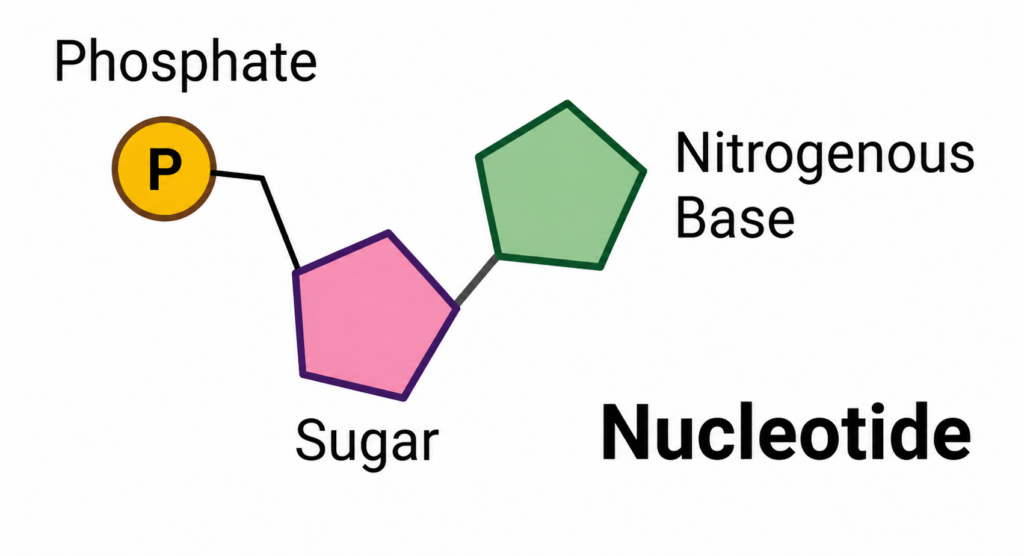
An mRNA program does not route like a plasmid program. A guide RNA does not route like an oligonucleotide. A DNA template for IVT does not carry the same use case as a therapeutic plasmid. A donor template for editing does not require the same control logic as a molecular diagnostic control. A self-amplifying RNA program brings different size, integrity, and formulation challenges from shorter RNA constructs.
CDMO Network supports genetic medicine and nucleic acid programs across research-grade material, preclinical development, GMP clinical supply, commercial readiness, analytical testing, formulation, LNP interface support, fill-finish coordination, quality systems, regulatory CMC, tech transfer, scale-up, and supply planning.
Our support includes plasmid manufacturing, microbial fermentation, IVT RNA workflows, mRNA production, template DNA strategy, RNA purification, capping strategy, modified nucleotide support, oligonucleotide-related manufacturing support, guide RNA production, donor template support, residual impurity testing, stability studies, nuclease-control strategy, formulation, frozen storage, and delivery-system compatibility.
Nucleic acid programs succeed when the molecule preserves the correct information in a usable form.
Why genetic medicines changed CDMO strategy
Genetic medicines changed biomanufacturing because they shifted the product from a finished biological function to an encoded instruction or programmable molecule.
A recombinant protein delivers the protein itself. A genetic medicine often delivers instructions that allow a cell or biological system to produce, silence, edit, modify, or regulate biological activity. That creates a different manufacturing model. Sequence identity, molecular integrity, purity, modification status, delivery compatibility, nuclease exposure, and residual impurity control become central.
The CDMO category expanded as RNA therapeutics, DNA vaccines, plasmid-derived vector systems, oligonucleotide medicines, and CRISPR-related products moved from specialized research tools into clinical and commercial development.
This history matters because the field still depends on the same principle: the sequence is not a commodity input. It is the active design logic of the product.
A nucleic acid CDMO route must protect that design logic through production, purification, formulation, storage, shipment, and final use.
mRNA and IVT RNA manufacturing
mRNA programs require strong control over template, transcription, purification, formulation interface, and stability.
Our support includes template DNA preparation, in vitro transcription, capping strategy, co-transcriptional or enzymatic capping support, poly(A) strategy, modified nucleotide incorporation, RNA purification, dsRNA reduction, residual template DNA control, residual enzyme control, concentration, buffer exchange, analytical testing, frozen storage, LNP interface support, and fill-finish coordination.
mRNA quality depends on more than concentration.
The product needs correct sequence, transcript integrity, capping performance, purity, controlled dsRNA levels, acceptable residual impurities, storage stability, and compatibility with the selected delivery system. A high-yield IVT reaction has limited value if the RNA degrades, carries high dsRNA burden, fails delivery formulation, or performs inconsistently in potency testing.
Self-amplifying RNA and circular RNA add additional development considerations. Larger RNA constructs require careful integrity control and purification strategy. Circular RNA requires confirmation of circularization, residual precursor control, purity, stability, and function. Modified mRNA requires control of nucleotide incorporation and biological performance.
The manufacturing route has to preserve the message, not only produce RNA mass.
Plasmid DNA and DNA template manufacturing
Plasmid DNA sits at the center of many genetic medicine and advanced therapy workflows.
Plasmids support viral vector production, mRNA template preparation, DNA vaccines, gene editing workflows, research materials, controls, and therapeutic platforms. A plasmid problem can slow the entire program. Weak topology, high endotoxin, poor sequence confirmation, residual RNA, or unstable supply can affect downstream vector, RNA, or therapeutic workflows.
CDMO Network offers plasmid DNA manufacturing support across strain selection, cell banking or strain banking, microbial fermentation, lysis, clarification, purification, topology control, supercoiled percentage testing, endotoxin reduction, residual RNA removal, residual host-cell DNA control, residual host-cell protein testing, sequence confirmation, concentration, formulation, storage, and documentation.
Plasmid programs require production discipline at every scale.
A research plasmid, transfection-grade plasmid, high-quality template DNA, GMP plasmid, and commercial plasmid supply program all require different levels of control. The intended use determines the quality system, release strategy, analytical package, and documentation.
For viral vector and mRNA programs, plasmid quality affects the next modality.
That makes plasmid DNA a strategic starting material, not a background reagent.
Oligonucleotides, siRNA, ASO, and aptamers
Oligonucleotide programs require chemistry, purification, characterization, and stability control.
This group includes siRNA, antisense oligonucleotides, miRNA-related materials, aptamers, modified oligos, therapeutic oligonucleotides, research oligos, and specialty nucleic acid constructs.
Our support includes oligonucleotide manufacturing routing, synthesis partner coordination, purification strategy, impurity profiling, identity testing, mass confirmation, sequence-related quality review, modification control, concentration, formulation, stability testing, and documentation aligned to the intended use.
The development path depends on the molecule.
An siRNA program needs duplex formation, strand identity, purity, stability, delivery compatibility, and potency logic. An ASO program needs sequence identity, modification control, impurity profile, binding function, stability, and formulation. An aptamer program needs folding behavior, target binding, purity, and storage performance.
Oligonucleotides often contain intentional chemical modifications. Those modifications are part of the product, not secondary details. The analytical package has to show that the molecule has the correct identity, purity, and modification profile.
The route has to control both sequence and chemistry.
Guide RNA, CRISPR, and gene editing components
Gene editing programs use nucleic acids as programmable tools.
This category includes sgRNA, guide RNA, CRISPR-Cas mRNA, donor DNA templates, repair templates, editing reagents, gene editing support materials, and nucleic-acid components used in ex vivo or in vivo editing workflows.
CDMO Network supports gene editing programs across guide RNA production, mRNA support, donor template preparation, plasmid inputs, nucleic acid purification, identity testing, purity testing, nuclease-control strategy, residual impurity testing, delivery compatibility, formulation interface, functional assay coordination, and GMP readiness where required.
Gene editing materials need strict control over sequence, purity, functional performance, and delivery context.
A guide RNA with weak purity can reduce editing performance. A donor template with poor quality can affect repair outcome. A CRISPR-Cas mRNA with integrity issues can reduce expression. A delivery-compatible format can become a critical part of editing efficiency.
For ex vivo programs, the nucleic-acid component has to work with cell processing, electroporation, transfection, vector delivery, washing, expansion, release testing, and cryopreservation. For in vivo programs, it has to work with formulation, biodistribution, stability, and potency.
The CDMO route must connect the editing component to the editing workflow.
Linear DNA, minicircle DNA, and specialty DNA formats
Specialty DNA formats serve applications that standard plasmid routes do not fully address.
Linear DNA, minicircle DNA, synthetic DNA templates, DNA vaccines, donor DNA templates, and specialty genetic constructs require product-specific controls. These materials can support RNA template production, gene editing, vaccine platforms, nonviral delivery, synthetic biology, and research-to-GMP transitions.
Our support includes format-specific manufacturing routing, template preparation, purification, residual impurity testing, identity confirmation, topology or molecular-form testing where relevant, endotoxin control where required, formulation, stability, and documentation.
Minicircle DNA programs need control over parental plasmid residues, topology, purity, and sequence identity. Linear DNA programs need control over length, integrity, residual template or enzyme impurities, and storage behavior. Donor templates need identity, purity, and functional compatibility with the editing workflow.
Specialty DNA formats require more than a standard plasmid playbook.
The molecular form defines the process and analytics.
Analytical development and nucleic acid characterization
Genetic medicine programs need analytical methods that prove identity, molecular form, purity, impurity profile, function, and stability.
Our support includes sequence confirmation, concentration, purity analysis, capillary electrophoresis, HPLC, UPLC, LC-MS where relevant, agarose gel methods, qPCR, ddPCR, residual DNA testing, residual RNA testing, dsRNA testing, residual protein testing, residual enzyme testing, endotoxin, bioburden, sterility coordination where relevant, plasmid topology analysis, supercoiled percentage testing, RNA integrity testing, capping analysis, poly(A) assessment, oligonucleotide impurity profiling, modification analysis, nuclease testing, potency assays, expression assays, and stability-indicating methods.
The analytical package depends on the molecule and use case.
An mRNA program needs integrity, capping, purity, dsRNA, residual template, and expression-related methods. A plasmid program needs topology, sequence, purity, endotoxin, residual RNA, and residual host-cell material control. An oligonucleotide program needs sequence, purity, modification profile, and impurity resolution. A guide RNA program needs identity, purity, nuclease control, and editing-relevant performance. A DNA template program needs integrity, residual impurity control, and suitability for downstream transcription or editing.
Testing must answer the product’s real quality questions.
A nucleic acid product is not controlled by one number.
Formulation, delivery interface, and stability
Nucleic acids are sensitive to degradation, nuclease exposure, storage conditions, formulation stress, and delivery-system compatibility.
CDMO Network offers formulation and stability support across frozen RNA, liquid DNA, lyophilized nucleic acid formats, buffer systems, nuclease-control strategy, LNP interface support, nonviral delivery compatibility, fill-finish coordination, container compatibility, freeze-thaw studies, in-use stability, shipping studies, and long-term stability planning.
mRNA and RNA products require careful control over degradation, integrity, and storage.
LNP-associated RNA requires particle compatibility, encapsulation, payload integrity, and frozen handling. Plasmids require preservation of topology and purity. Oligonucleotides require chemical stability and formulation compatibility. Gene editing components require storage and handling conditions that preserve functional performance.
Delivery systems often determine whether the molecule works.
An RNA molecule that looks strong analytically can fail if it does not survive formulation or delivery. A DNA product can meet concentration and purity targets while losing functional value through topology changes or instability. A guide RNA can pass identity testing and still underperform if nuclease control or delivery compatibility is weak.
The formulation route must protect the molecule’s information and functional readiness.
GMP manufacturing, tech transfer, and scale-up
Genetic medicine programs need manufacturing routes that match stage, molecule type, and quality requirement.
CDMO Network offers support for research-grade nucleic acids, preclinical supply, GMP plasmid DNA, GMP mRNA support, clinical genetic medicine materials, editing components, diagnostic-grade nucleic acid controls, and commercial supply programs.
Our support includes production planning, raw material control, strain banking, template strategy, fermentation, IVT workflows, purification, release testing, analytical transfer, formulation, stability placement, fill-finish coordination, quality documentation, tech transfer, supplier qualification, quality agreements, and commercial supply planning.
Scale-up changes nucleic acid manufacturing.
Fermentation volume can affect plasmid yield, topology, impurity burden, and recovery. IVT scale-up can affect reaction efficiency, impurity profile, dsRNA level, purification burden, and RNA integrity. Oligonucleotide scale-up can affect impurity profile and purification strategy. Delivery formulation scale-up can change encapsulation, particle behavior, and stability.
The CDMOs in our Network support small custom nucleic acid batches, clinical plasmid programs, template DNA production, RNA manufacturing workflows, gene editing support materials, and larger-scale commercial supply strategies.
A successful scale-up preserves sequence, molecular form, purity, and function.
Genetic medicine niches supported
This modality group includes mainstream and highly specialized nucleic acid formats.
Support extends across mRNA, self-amplifying RNA, circular RNA, modified mRNA, capped RNA, IVT RNA, plasmid DNA, linear DNA, minicircle DNA, DNA templates, DNA vaccines, oligonucleotides, siRNA, ASO, miRNA-related materials, guide RNA, sgRNA, CRISPR reagents, CRISPR-Cas mRNA, donor DNA templates, aptamers, RNA therapeutics, nucleic acid therapeutics, molecular diagnostic controls, gene editing support materials, and research-to-GMP nucleic acid transitions.
Each program receives a route based on molecular form, sequence, production method, intended use, impurity risks, analytical burden, formulation need, delivery system, quality level, scale, and supply model.
A single nucleic acid manufacturing template does not fit the field.
The molecule’s function defines the route.
Leki genetyczne i kwasy nukleinowe wymagają kontroli sekwencji, formy molekularnej, czystości, stabilności i zgodności z systemem dostarczania. mRNA, plazmid DNA, siRNA, ASO, guide RNA, donor DNA, aptamery i komponenty CRISPR mają różne wymagania produkcyjne oraz analityczne. CDMO Network łączy wytwarzanie, oczyszczanie, testy jakości, formulację, stabilność, GMP, transfer technologii i planowanie skali z rzeczywistą funkcją cząsteczki oraz jej zastosowaniem końcowym.
Industry Fit
Genetic medicine and nucleic acid teams use this support when they need production, testing, formulation, or supply planning for sequence-based products.
This includes mRNA therapeutic developers, vaccine teams, plasmid DNA programs, viral vector developers, gene editing companies, oligonucleotide programs, RNA platform companies, synthetic biology groups, diagnostic control manufacturers, academic spinouts, CRISPR programs, and companies moving nucleic-acid materials from research to controlled development.
The work supports discovery material, feasibility batches, preclinical supply, GMP clinical manufacturing, template DNA production, editing components, molecular diagnostic controls, formulation interface work, and commercial supply planning.
Genetic medicine CDMO strategy starts with sequence, molecular form, production method, delivery context, quality target, analytical requirement, formulation risk, intended use, and scale. Those factors determine whether the program needs plasmid manufacturing, IVT RNA support, oligonucleotide synthesis coordination, guide RNA production, GMP readiness, LNP interface support, or commercial supply.
Requirements for high-quality genetic medicine CDMO services
CDMO Network delivers a robust genetic medicine strategy founded on thorough assessment of nucleic acid sequence, molecule type, production platform, intended use, critical quality attributes, impurity risks, delivery system, formulation requirements, target scale, and supply model.
Support spans mRNA, self-amplifying and circular RNA, modified mRNA, plasmid DNA, oligonucleotides, siRNA, ASOs, guide RNA, CRISPR reagents, donor templates, aptamers, and other advanced nucleic acid modalities.
Core services include plasmid manufacturing, microbial fermentation, IVT RNA workflows, RNA purification, capping and modification strategies, oligonucleotide synthesis, analytical characterization, impurity and nuclease control, formulation development, stability studies, GMP readiness, fill-finish coordination, technology transfer, scale-up, and commercial supply.
mRNA programs require superior transcript integrity, efficient capping, high purity with robust dsRNA control, delivery compatibility, stability, and defined potency. Plasmid programs demand sequence verification, high supercoiled content, stringent endotoxin control, residual RNA reduction, and storage stability. Oligonucleotide programs necessitate precise identity, purity, modification fidelity, and formulation compatibility. Gene editing programs require sequence accuracy, functional performance, and seamless workflow integration.
High-quality genetic medicine services preserve the molecule’s genetic fidelity, structural integrity, purity, stability, and functional readiness from initial production through final supply.
Email our team at info@cdmonetwork.com